Movies matter
Looking at truth and responsibility in Brazil and Toronto
The Nahum Goldman Fellowship in Brazil
These are turbulent times, but as an educator I find renewal when teaching and learning with my students and fellow educators. Last month, I experienced this firsthand as a faculty member of the Nahum Goldman Fellowship, a project of the Memorial Foundation for Jewish Culture.
The foundation supports and invests in leaders and scholars worldwide. It brings together Jewish professionals and lay leaders in their 30s and 40s from across the globe for a week to foster dialogue, innovation, and cultural continuity.
The fellowship meets in different parts of the world each year; last year’s cohort met in Cape Town, South Africa, and the year before that in Israel. This time, 36 fellows from 16 countries gathered outside São Paulo, Brazil, each bringing his or her individual stories, perspectives, and challenges to the conversation.
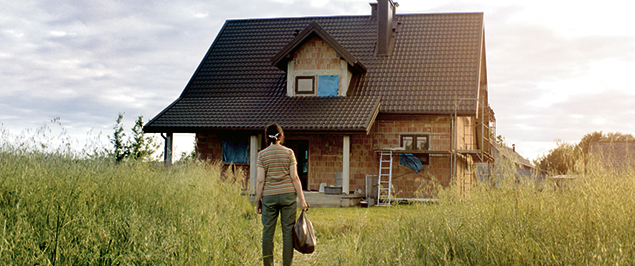
It’s a profoundly enriching experience for the fellows — and it’s equally elevating for the faculty.
In exploring the week’s theme, truth and responsibility, I used cinema as text, examining how films reflect history while shaping cultural memory. Other faculty drew from Jewish art, culture, and literature. Movies are always made in the present tense. Even when they depict the past, they resonate with contemporary concerns. Together, we considered the responsibility of filmmakers in presenting truth and the power of stories to influence morality and identity.
From Brazil to Toronto
As soon as I returned from the fellowship, I headed to the Toronto International Film Festival. Once a key showcase for Israeli cinema, TIFF has drastically reduced its programming of Israeli films — there was only one narrative feature this year — while Palestinian films have grown in number and visibility. Introductions for films made by programmers this year explicitly aligned with their political messaging, and at all three Palestinian screenings the word “genocide” was used.
Palestinian cinema at TIFF
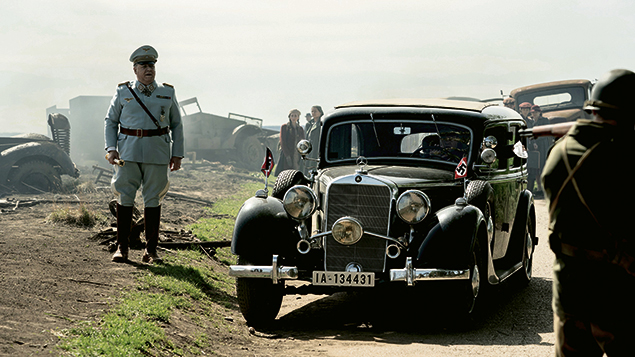
The festival showcased three Palestinian feature films. “With Hasan in Gaza” is a 115-minute road trip video that was made in 2001. It was shown with a four-minute museum short of a horse ride through a trash-strewn Gaza beach, raising questions for me about these choices and the festival’s standards. “Palestine 36” dramatized the 1936 Arab revolt and the Peel Commission’s proposal for partition. The British are portrayed as occupiers and Jews as the beneficiaries. Its antagonist, British officer Orde Wingate, who is remembered in Israel as a hero, is depicted here as ruthless. “The Voice of Hind Rajab,” which had just won recognition at the Venice Film Festival, recreated the harrowing last hours of an 8-year-old girl trapped in a car with her dead relatives in Gaza. The docudrama uses allegedly authentic audio recordings together with a reenactment of the failed rescue effort. It’s a powerful indictment, reminiscent of last year’s Oscar-winning “No Other Land.”

Israeli cinema on the margins
The only Israeli feature screened was Or Sinai’s “Mama,” about a Polish maid working in Israel. It is Sinai’s first feature narrative. The filmmaker, once part of a strong Israeli contingent at TIFF 10 years ago, now feels like an outlier — honored to be at TIFF, but isolated there. Israeli filmmakers now face twin pressures: dwindling international festival invitations and shrinking domestic support as the Netanyahu government restricts funding to projects deemed to be in the “national interest.” Israeli Minister of Culture Miki Zohar has criticized Israeli cinema for undermining national consensus, while industry leaders defend creative freedom. Sinai ultimately shot most of the film in Poland, where funding was available, reflecting broader concerns for Israel’s cinematic future.
Controversy: “The Road Between Us”
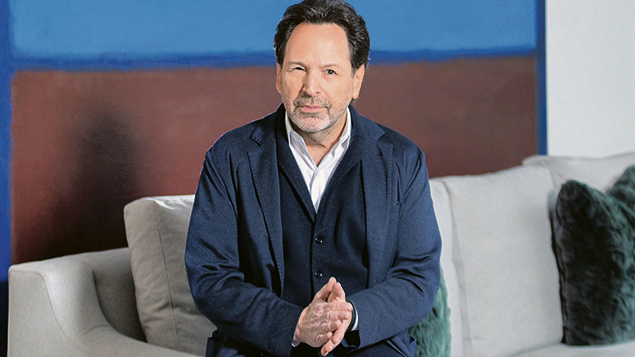
TIFF’s handling of Barry Avrich’s documentary “The Road Between Us: The Ultimate Rescue” sparked debate. The film recounts retired IDF General Noam Tibon’s daring, ultimately successful 14-hour mission to Kibbutz Nir Oz to rescue his family on October 7. Though Avrich insisted it carried no political agenda, TIFF initially accepted it, then rejected it, citing copyright concerns over the inclusion of Hamas bodycam footage. Rumors also circulated of internal staff objections to showing the film. After industry and community pressure, including a petition of 1,800 signatories, TIFF reinstated the film but restricted it to a single screening with no press showing. At its premiere, the film received resounding applause, underscoring Avrich’s view that festivals should enable dialogue, even when it might be uncomfortable. The film was awarded the People’s Choice Award at the festival for best documentary. That award, as its name suggests, is given by the audience.
Jewish stories, complex voices
As in past years, TIFF offered Jewish-themed works. This year, they focused curiously on post-Holocaust trauma and identity: Jews searching for meaning in the aftermath of the Shoah. While Palestinian films dominated the festival narrative, these introspective Jewish-interest stories felt like whispers against louder political messaging.
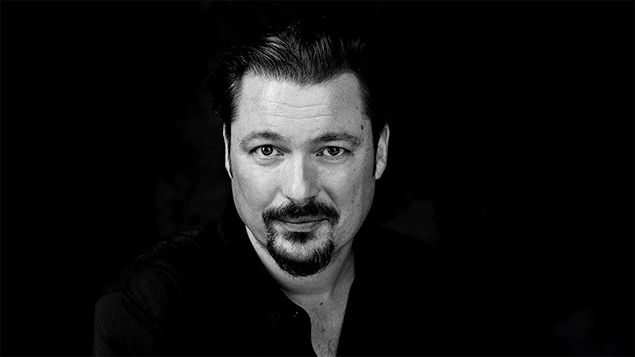
The most powerful film that I saw was James Vanderbilt’s “Nuremberg,” which examined the precedent-setting trial through the relationship between Nazi second-in-command Hermann Göring and his U.S. army-appointed psychiatrist. Russell Crowe’s Göring and Rami Malek as the shrink shone. A key moment of Jewish self-identification, late in the film deeply moved me. The film received a four-minute standing ovation.
Scarlett Johansson’s directorial debut, “Eleanor the Great,” followed a 90-year-old woman reconnecting with Judaism after her Holocaust-survivor roommate dies, culminating in a bat mitzvah — with a twist. June Squibb is wonderful as Eleanor, and Israeli actress Rita Zohar gave a standout performance as the survivor. Johansson’s turn toward Jewish storytelling is most encouraging.
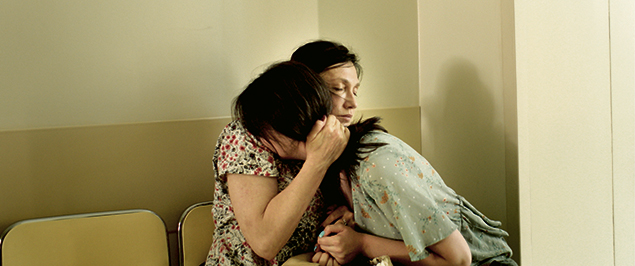
Oscar-winning Hungarian director László Nemes (“Son of Saul”) returned with “Orphan,” portraying postwar Jewish life in communist Hungary through the struggles of a child, who initially is abandoned by his mother and haunted by his missing father. Its bleakness felt chillingly relevant, given Hungary’s current hard-right political climate.
What stories are being told?
At the Nahum Goldman Fellowship meeting, fellows discussed how films carry intent — whether they entertain, educate, or memorialize. Cinema can redefine truth, shape morality, and transmit cultural memory. The Toronto International Film Festival made clear the challenges Jewish and Israeli filmmakers face: censorship at home, exclusion abroad, and political pressures that shape what stories get told or shown.
If Jewish stories are to remain visible and viable, they need active support: audiences attending screenings, communities funding projects, and festivals including diverse narratives. Organizations like the Shoah Foundation are stepping in, helping fund Nemes’s work and advising Johansson’s. At NGF, fellows even created their own short film, a reminder that stories can emerge anywhere.
Movies matter. They affect us, they can challenge us, and sometimes they can move the world.
Eric A. Goldman of Teaneck is adjunct professor of cinema at Yeshiva University and a member of the faculty of the Streicker Center for Adult Jewish Studies. He hosts Jewish Cinematheque on the Jewish Broadcasting Service, cablecast across America and streamed at jbstv.org.