

Beneath the hospital, a village
Kindness and healing flourish in the below-ground hospital
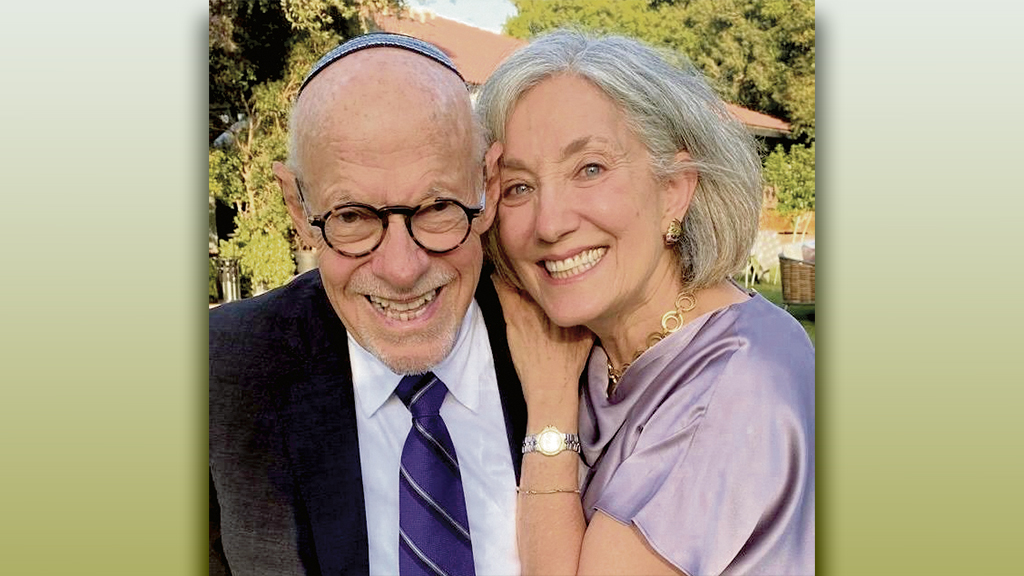
On February 22, my husband, Rabbi Abner Weiss, was admitted to Hadassah Hospital Ein Karem with sepsis.
Six days later, as war broke out and sirens began to wail, our private medical crisis had collided with a national one.
When he was admitted, he could barely function. Sepsis ravages the body with frightening speed. I had intended to record my thoughts as we went through it, but the days were relentless — tests, antibiotics, consultations, constant vigilance. There was no space for reflection.
Then the war began.
Without warning, the hospital shifted into emergency mode. Patients who could be moved were rapidly transported — in their beds — from the ninth floor down to the subterranean level, -3. Those too fragile to move remained upstairs with part of the nursing staff. The rest of us descended into a vast underground space that had not been prepared for active hospital use.
When we arrived, the room was empty. A few curtains loosely marked where beds might stand. No equipment. No supplies. Concrete walls and echoing space.
Within hours, it became a functioning field hospital.
Workmen drilled and hammered, installing partitions and safety bars. Technicians restored lighting and air systems. Carts of linens, medication cabinets, computers, laundry bins, and supplies streamed in. Even a small coffee and tea station appeared for family members who would now be spending long days and nights underground.
Through it all, the nurses remained calm — steady, focused, deeply kind. Not once did they appear flustered. Their composure steadied everyone around them.
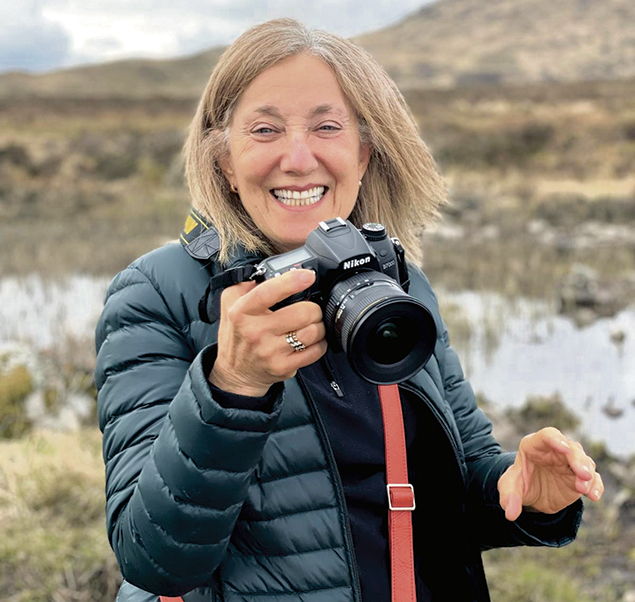
Family members quickly stopped being bystanders. The hospital was short-staffed; there was simply too much to do. We made beds, transported belongings, emptied bins, fetched supplies, soothed anxious patients, and helped with whatever was needed. We were daughters and sons, husbands and wives — and suddenly we were aides and orderlies too.
What formed beneath the ground was something unexpected: a village.
Half the workers were Arabs. Half were Jews. Down there, those distinctions felt irrelevant. We were simply people caring for other people. We shared updates, offered comfort, hugged strangers who no longer felt like strangers. Fear was present, certainly — but so was tenderness. So was solidarity.
It was exhausting. By the time we returned home yesterday afternoon, the fatigue settled into my bones. After days of vigilance, I collapsed into bed. My first sleep after returning home was interrupted by a siren — a reminder that life above ground remains uncertain.
This morning, I am sitting with a cup of coffee in the quiet of our home. Every corner feels precious. Our bed feels like an unimaginable luxury.
Most of all, I am grateful. My husband is improving far more quickly than I expected. Witnessing sepsis is terrifying; witnessing recovery feels nothing short of miraculous.
But alongside gratitude, I carry pride.
Pride in the nurses who transformed an empty underground hall into a place of healing within hours. Pride in the workers who built walls where there were none. Pride in the family members who stepped forward without being asked. Pride in the quiet humanity that surfaced when circumstances stripped everything else away.
For a brief time, beneath the hospital floors while war raged above us, we became an underground community — a village held together not by politics or identity, but by shared responsibility and care.
It was an experience I will not forget.
Yolande Bloomstein Weiss is a psychologist who made aliyah from California in 2023. She lives in Jerusalem with her husband, Rabbi Abner Weiss. Her sister, Rachelle Weisberger of Englewood, who sent us this story, is an artist and author. She is a member of both the East Hill Synagogue and Congregation Ahavath Torah, both in Englewood.