

You think your friend’s really upset? You’re probably wrong
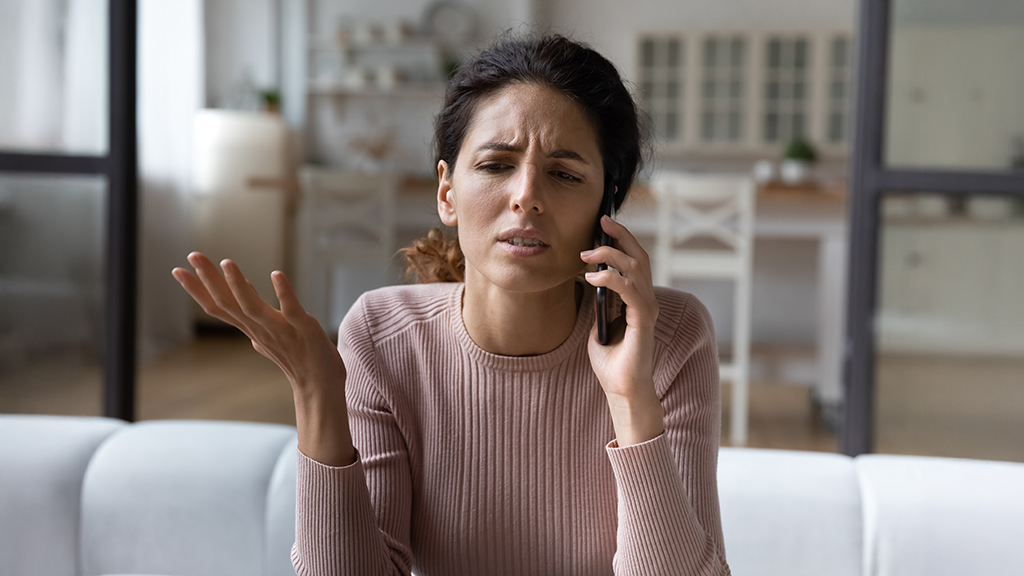
A new study from the Hebrew University of Jerusalem tells us that most poele are likely to overestimate the strength of other people’s feelings.
A new look at seven studies involving more than 2,800 participants shows a consistent pattern: people believe others’ emotions are more intense than those emotion-havers actually report feeling, especially when it comes to negative emotions, like anger, sadness, or fear.
This bias, which persisted in texts, videos, and live conversations, emerged whether participants were judging strangers or romantic partners. And while it may sound like a recipe for misunderstanding, the findings reveal a surprising twist: overestimating others’ emotions may actually help relationships thrive.
“We tend to think accuracy is the gold standard in emotional understanding,” Dr. Anat Perry, one of the study’s head researchers, said.
“But our research suggests that a bit of bias, believing others feel more strongly than they do, can actually promote empathy and strengthen social bonds.”
Wait. What?
Graduate student and researcher Shir Genzer explains: “People reported that they tend to be accurate in identifying the emotional intensity of others, and that if there is any distortion, it’s actually in the opposite direction, that others underestimate the intensity of their emotions. However, our behavioral findings paint a different picture: we all tend to ‘exaggerate’ a bit when trying to read others’ emotions, and this may actually work in our favor. People who perceive others’ emotions as more intense tend to feel greater empathy and respond in a supportive and compassionate way. In a sense, this exaggeration is a social mechanism meant to help us avoid missing another person’s distress.”
The study, published in Nature Communications, shows that people who slightly overestimated others’ negative emotions were more empathic toward strangers, and their romantic partners reported higher relationship satisfaction. In other words, assuming that your partner is a little more upset than they claim may lead you to offer more care and attention, which are key ingredients for healthy connection.
Who knew?