

Rob Reiner: The hopeful re-humanization of each other
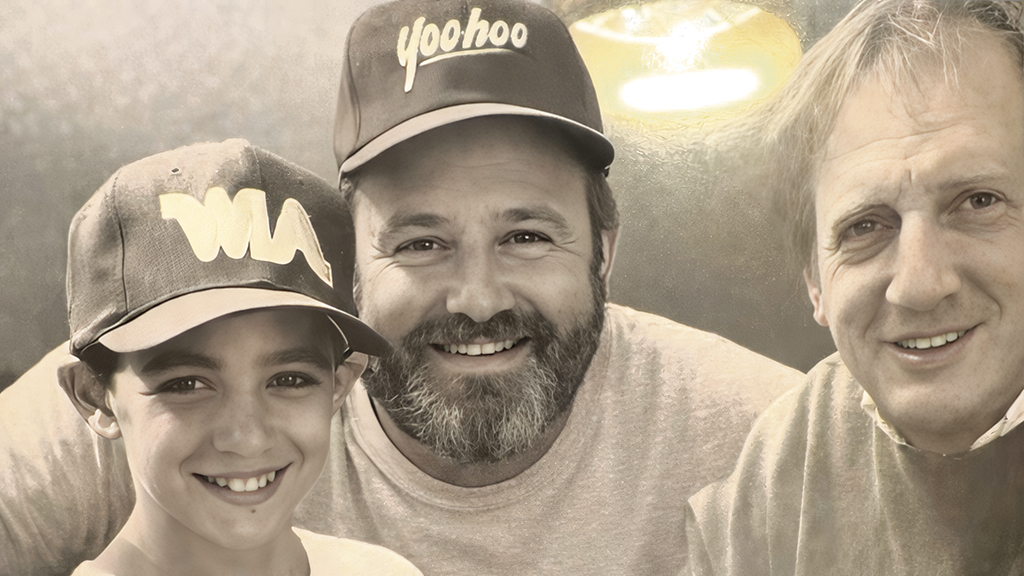
In the shadow of unimaginable tragedy, there lies an opportunity for profound reflection and renewal. The brutal murder of Rob Reiner and his wife, Michelle Singer Reiner — allegedly at the hands of their own son, Nick — has shaken not just Hollywood, but the nation at large. As we grapple with such an unimaginable tragedy, I find myself searching for a sliver of light amid the darkness. My name is Adam Zweibel, and my connection to the Reiners runs deep, spanning decades of kindness, laughter, and shared milestones. Yet, in recent years, our paths diverged sharply along political lines, leaving me repulsed by Rob’s outspoken views. His death, however, has forced me to confront a painful truth: personal bonds and human decency can transcend even the fiercest ideological divides. Perhaps this atrocity can spark a much-needed re-humanization in our fractured body politic — a reminder that we are all fragile beings worthy of empathy, regardless of our beliefs.
My story with the Reiners began in 1987, when I was just 6 years old. My family was uprooted from New Jersey to Los Angeles after my father, Alan Zweibel, had his pilot for “It’s Garry Shandling’s Show” picked up. We arrived in a sprawling city 3,000 miles from home, with no family nearby to ease the transition. That’s when Rob and Michelle stepped in, embracing us like long-lost relatives. They opened their doors for holidays, family celebrations, Super Bowl parties, bar mitzvahs, weddings, and everyday moments of friendship. Their warmth made L.A. feel a little less alien. Rob even gave me my acting debut with cameos in two of his major motion pictures — a generous gesture that left a lasting impression to this day.
But Los Angeles and I were never a match. I attended Crossroads School in Santa Monica, immersed in the showbiz culture, finding the people fake, the community lacking authenticity and loyalty, the traffic suffocating, and the superficiality overwhelming. At 17, I fled to the University of Michigan and never looked back. Instead, I courted my future wife, Cori — from North Caldwell — chasing her across the country until we settled back in the Garden State. Together, we’ve built successful businesses and raised a wonderful Jewish family: three amazing children, now 12, 15, and 17 years old. Over the past 25 years, I’ve gained firsthand knowledge of what it takes to start, run, and thrive in business across various business sectors, while raising kids in an increasingly challenging world with shifting social norms that clash with our values — especially now more than ever, as a Jewish American navigating the rise of antisemitism since October 7th.
As my own views evolved toward constitutional conservatism and an America First mindset, Rob seemed to veer further left. His relentless criticism of MAGA, his unequivocal support for policies I saw as oppressive — these things repulsed me. Here was a Hollywood elite, worth hundreds of millions, preaching from a bubble with no real grasp of the everyday struggles parents like me face: economic pressures, cultural shifts, and top-down influences eroding family life. It felt like Rob was siding with a political party over his own people, the Jewish people, at a time when unity and strong support for Israel and Jewish safety were paramount. In our liberal town, Livingston, I fought and continue to fight these battles on the front lines, protecting my children’s childhood and future. Rob’s vitriol felt like a direct threat, especially knowing how it could harm families like mine if his ideas prevailed.
This repulsion hit a peak when my father interviewed Rob at the 92nd Street Y just two months before the murder. I couldn’t fathom why my Dad — who I know loves me and my family unconditionally — would platform someone whose rhetoric seemed so harmful. Yet, upon learning of Rob and Michelle’s slaughter, I was devastated. Why did this pain cut ten times deeper than the assassination of Charlie Kirk, a conservative activist I revered for his respectful dialogue and youth outreach? Why did I find myself weeping randomly, even a week later?
Here’s the uncomfortable truth I’ve been forced to face: sometimes the death of someone you actually knew — someone who shared your table, your holidays, your laughter — cuts deeper than the death of a stranger you agree with politically. Before politics poisoned the well, Rob and Michelle represented kindness, loyalty, and genuine connection. Their open arms during my childhood outweighed any ideological chasm. In contrast, my admiration for Kirk was rooted in shared beliefs, but it lacked the intimacy of shared holidays and laughter. This realization underscores a broader truth: relationships built on human experiences endure beyond partisan lines. We love and grieve for people, not platforms.
Even President Trump, whom I’ve proudly voted for three times and would again — supporting 99 percent of his policies for the sake of our country’s future and standing with leaders like him who unequivocally support the Jewish people and the State of Israel especially since October 7th and the global rise of antisemitism — missed an opportunity here. His Truth Social statement attacking Rob post-mortem saddened me deeply. Instead of taking the high road as a president should, it perpetuated the cycle. Where have we arrived as a nation when two 78-year-old men trade hateful barbs for years, even beyond the grave?
The word that echoes is dehumanization.
It saddened me. Not because presidents are obligated to mourn someone who attacked them for years, but because leadership — real leadership — recognizes moments bigger than ego. And if there was ever a moment to take the high road and speak to the country’s exhausted heart, this was it.
Trump himself has endured unprecedented dehumanization: spied on during his campaign, falsely framed as a Russian agent, baselessly impeached twice, wrongfully arrested and nearly imprisoned for life, not to mention two assassination attempts — one grazing his head. Yet Rob himself fueled much of this dehumanization on the other side, being loud and outspoken, tweeting relentlessly, and working closely with his political enemies to take Trump out for a decade. Parallels abound with the Reiners, dehumanized through vitriolic statements before and after their deaths. Both sides have families who adore them — both brilliant in their own ways, both influential, both adored by millions — who cherish their contributions, whether through iconic films like “When Harry Met Sally” or bold political leadership, caught in a loop of contempt so powerful it outlives one of them. Where has that gotten us? Not to persuasion. Not to peace. Not to a healthier culture. Only to a country that increasingly can’t remember how to see one another as fully human.
This tragedy calls us to re-humanize one another. Life is fragile; a single act of violence can erase decades of good. We must remember that our fellow citizens — even those with opposing views — harbor immense capacity for kindness. Rob and Michelle were wonderful people with large hearts, always good to me and my family. As an unwavering MAGA supporter, I mourn their loss profoundly, not despite our differences, but because of the humanity that bridged them.
Rob and Michelle Reiner were not “my side.” In today’s language, they were very much “the other side.” And yet, in the most formative chapter of my childhood, they were good to me. They were kind. They were loyal friends to my family.
And now, I feel a profound loss — because in my memory, before all the noise, that’s who they were: two people with big hearts who made a new kid in Los Angeles feel like he belonged.
If I, someone who has felt deeply angry at Rob’s politics, can still feel this kind of grief, then maybe there’s a lesson in it for all of us. This has been a big teachable moment for me, one that has reshaped how I view others: to respect people for who they are, not the politics they preach. It’s a lesson echoed by actor James Woods, who shared a similar sentiment about his friendship with Rob despite their ideological differences. “I judge people by how they treat me, and Rob Reiner was a godsend in my life,” he said. “We got along great, we loved each other… and he was always on my side. We had a different path to the same destination, which was a country we both love.”
In honoring their memory, let’s commit to seeing the good in each other. Dialogue over demonization. Empathy over enmity. This re-humanization isn’t weakness — it’s the foundation of a stronger America. From the ashes of this horror, may we rise with renewed compassion, proving that even in division, our shared humanity binds us.