

Climbing Kilimanjaro
Local photographer joins Accessibility Accelerator trek
-
- Scenes from Tanzania.
-
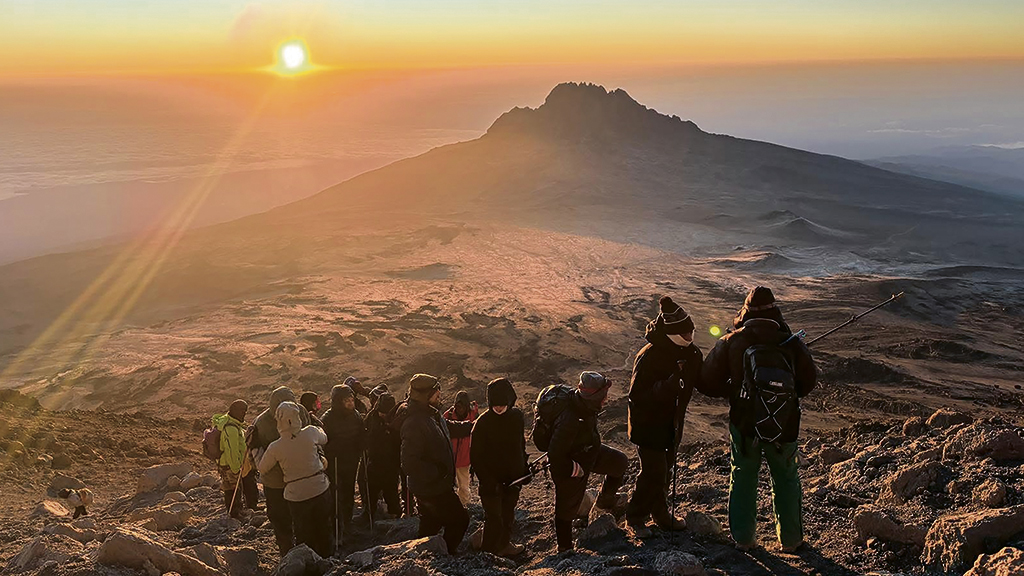
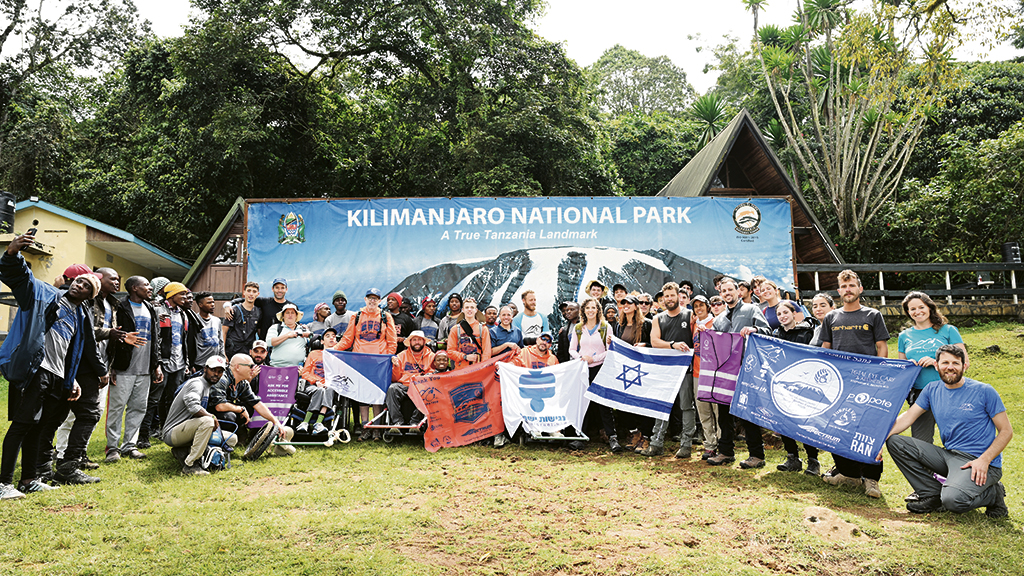
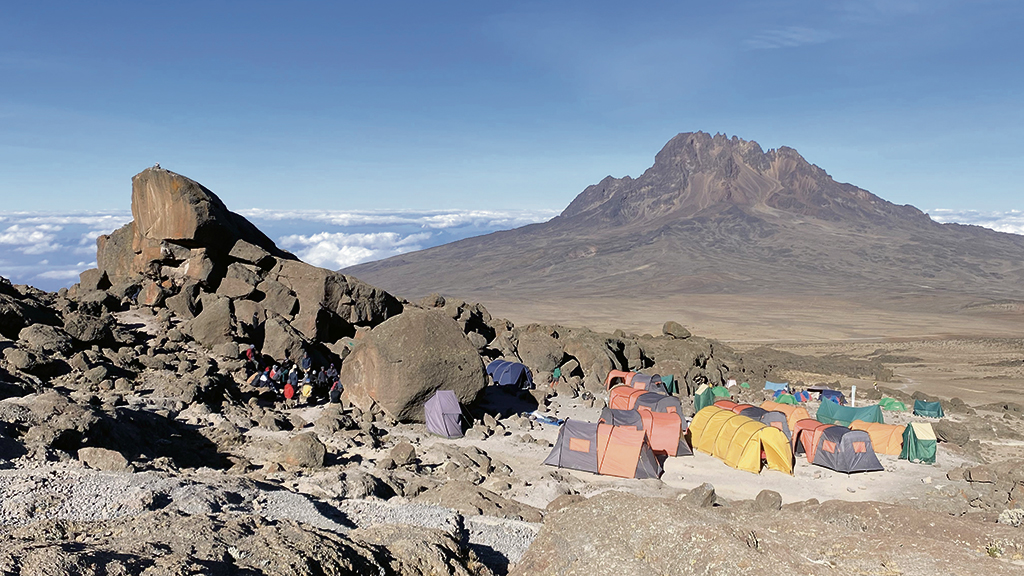
- Scenes from the climb and the base camp.
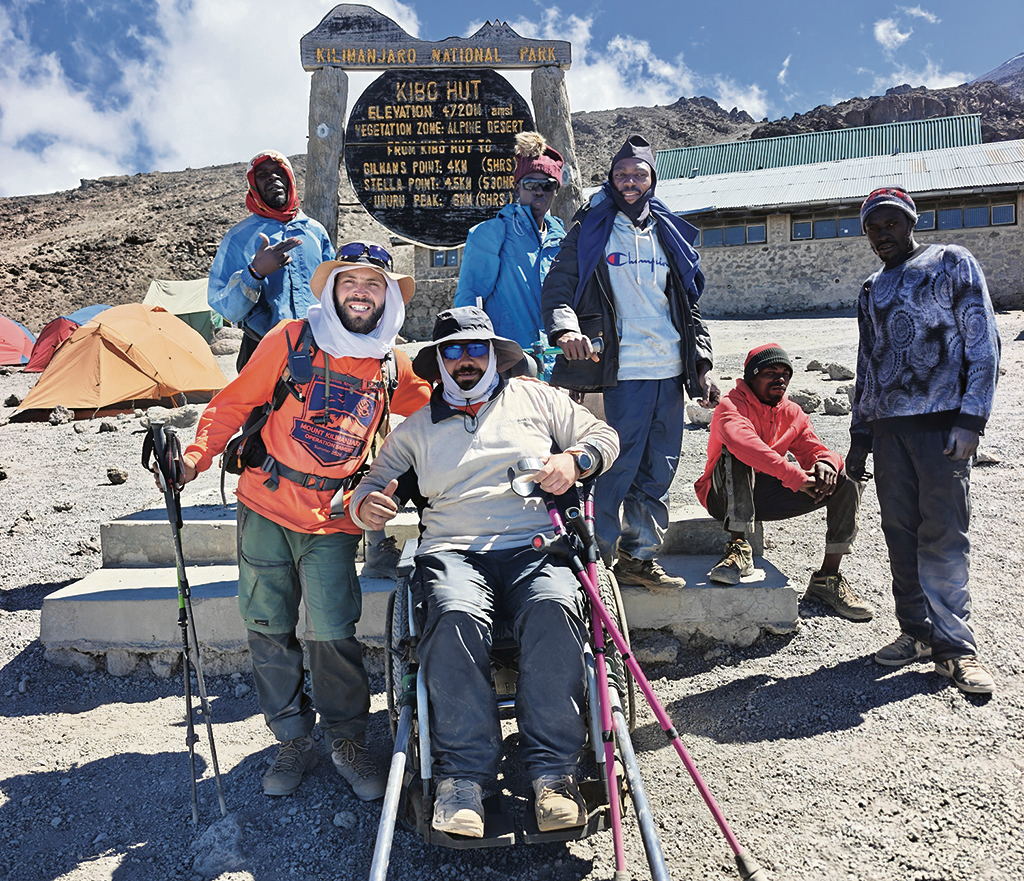
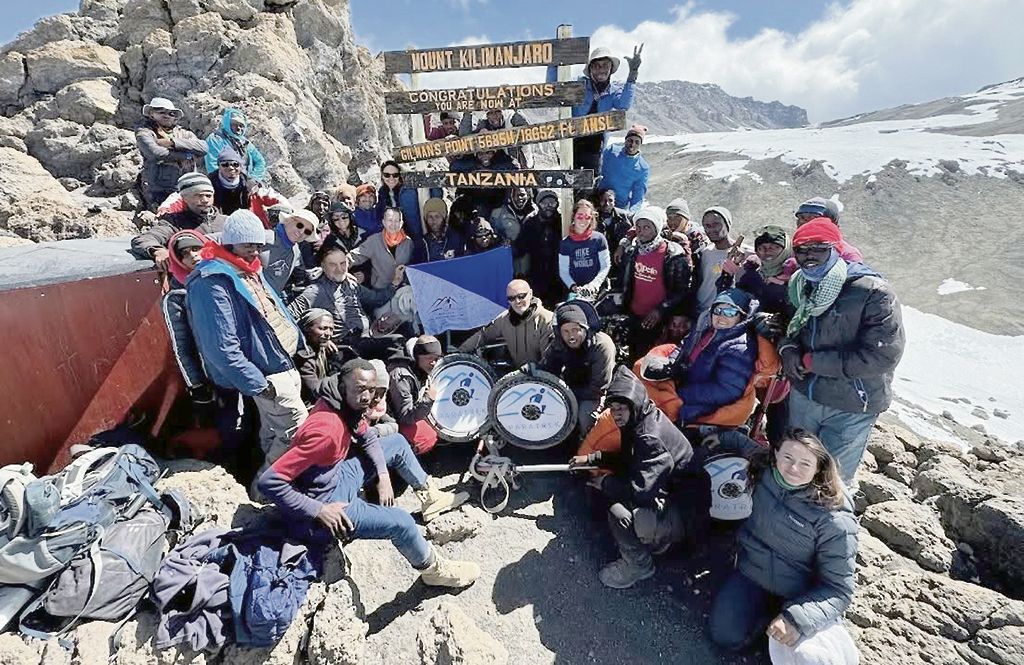
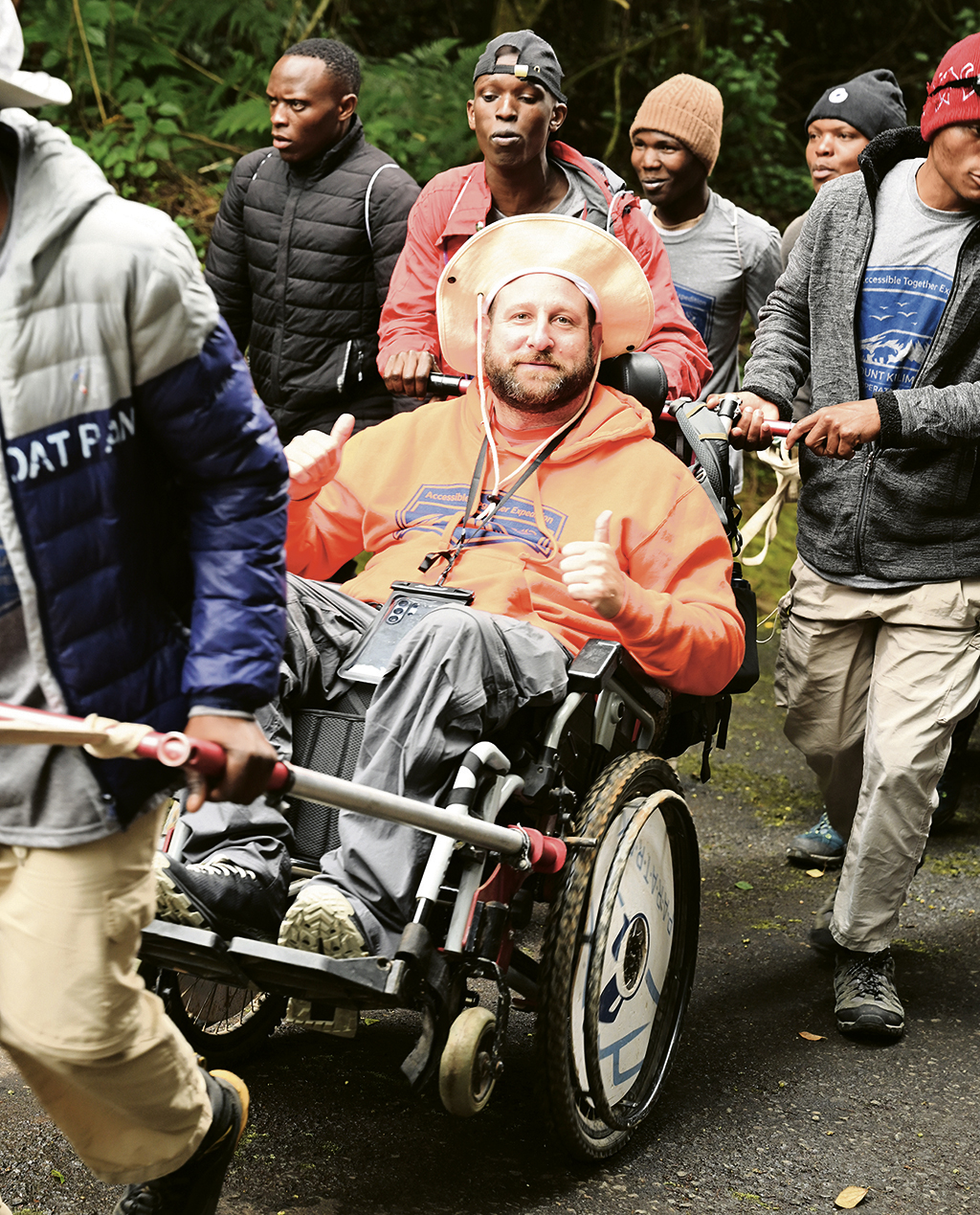
As very busy people in busy digital worlds, we often focus only on things that affect our inner circle directly. Outside of our personal passions, interests, and affinities, and our kids’ activities, interests, and affinities, we tend to stay in our own lanes. Not because we lack empathy, but because we lack bandwidth.
I’m involved with organizations, I volunteer for nonprofits that align with my interests, I consider myself an ally and empath, but until my recent trip to Africa to photograph an incredible mission, I never thought much about what daily life might be like for people with disabilities.
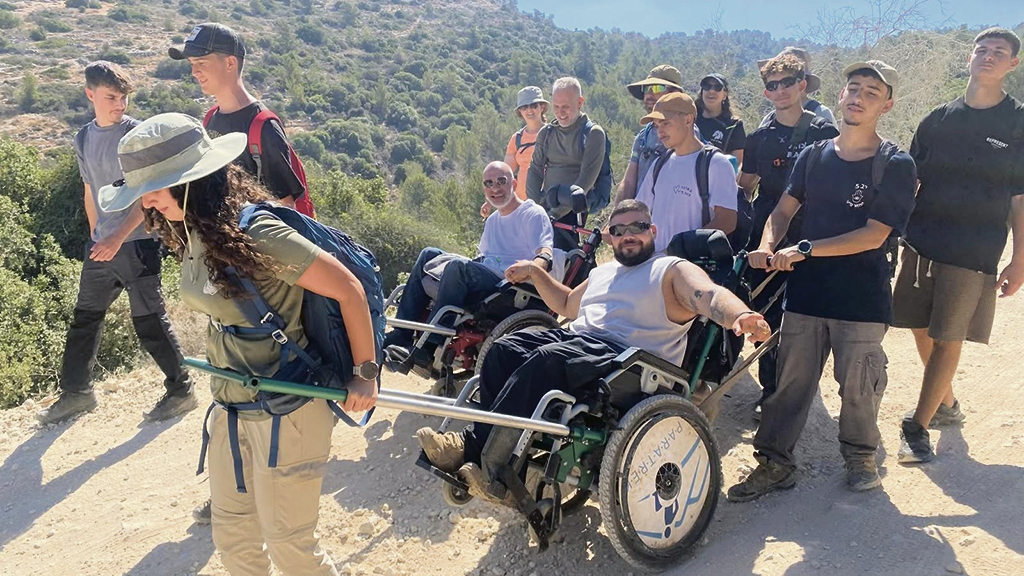
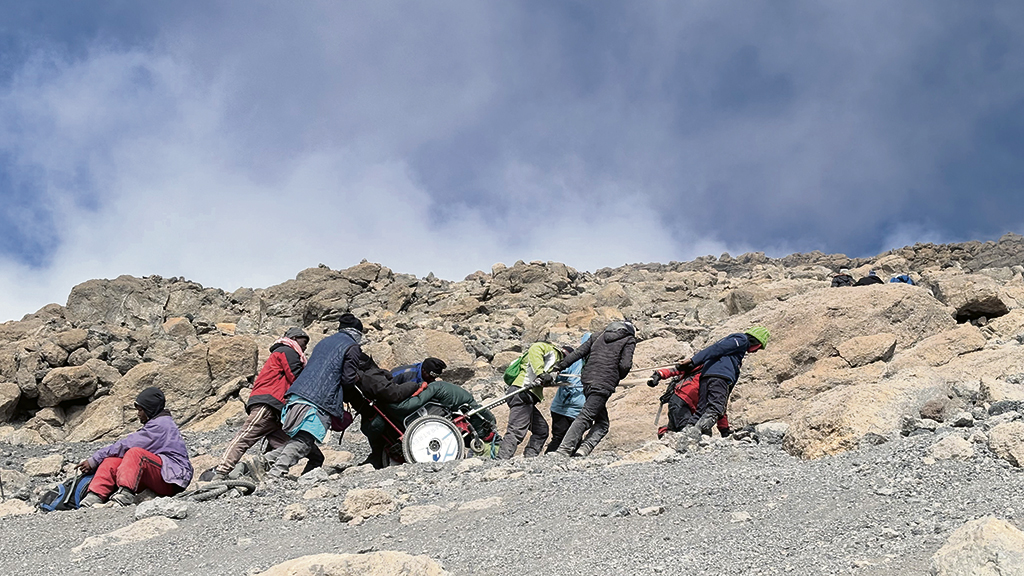
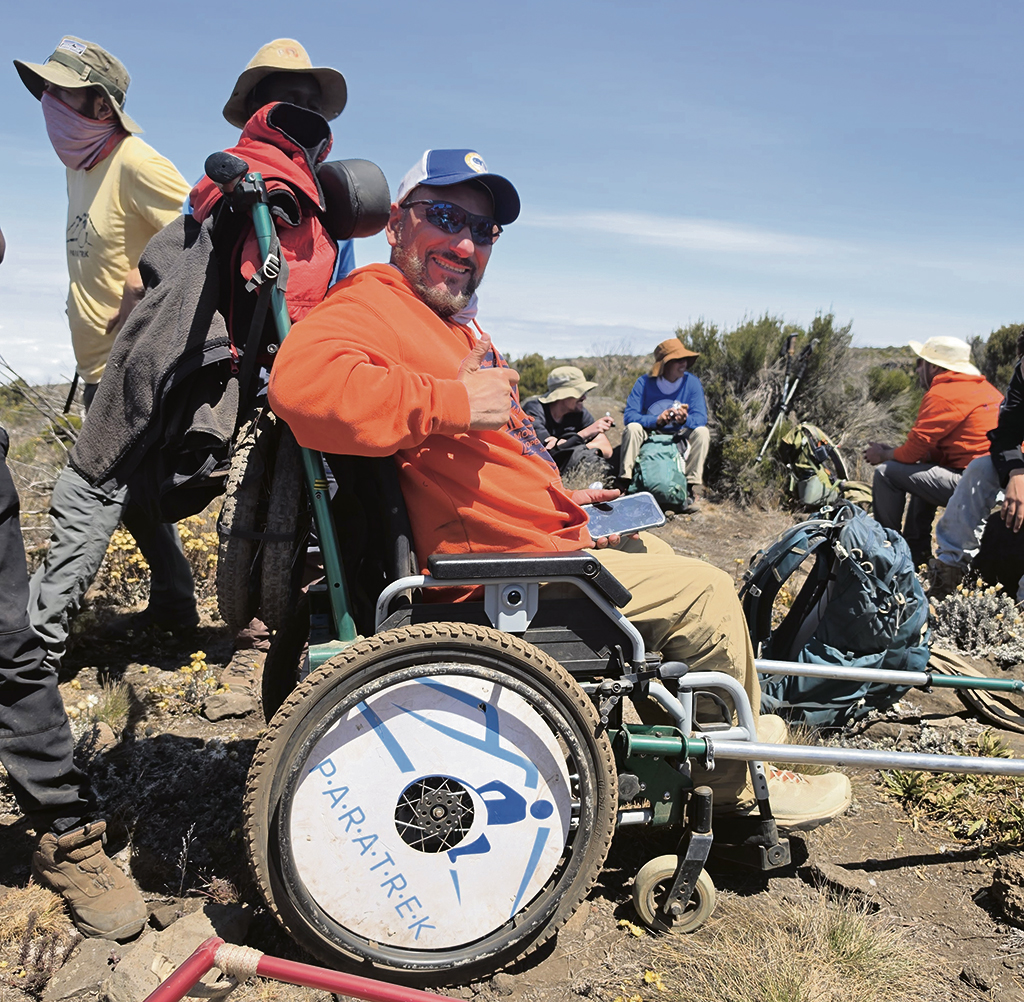
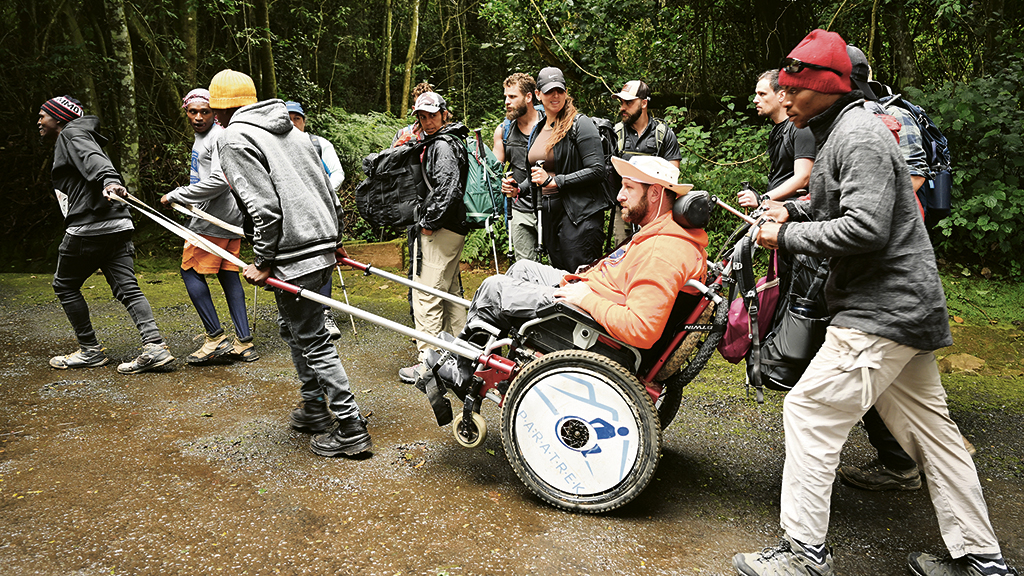
That changed in July, when I traveled to Tanzania as the photographer for Accessibility Accelerator, a global organization that works to advance accessibility and inclusion, to photograph two teams climbing Mount Kilimanjaro. In partnership with Paratrek, an innovative Israeli company that creates specialized trekkers to assist people who sit in wheelchairs to enjoy nature. Sixty-six climbers of different abilities, backgrounds, and life experiences approached Africa’s highest mountain. Among them were adults with spinal cord injuries, a teenager with a genetic disease that has affected his ability to walk, injured IDF soldiers, students, educators, physicians, first responders, families, advocates, and community leaders.
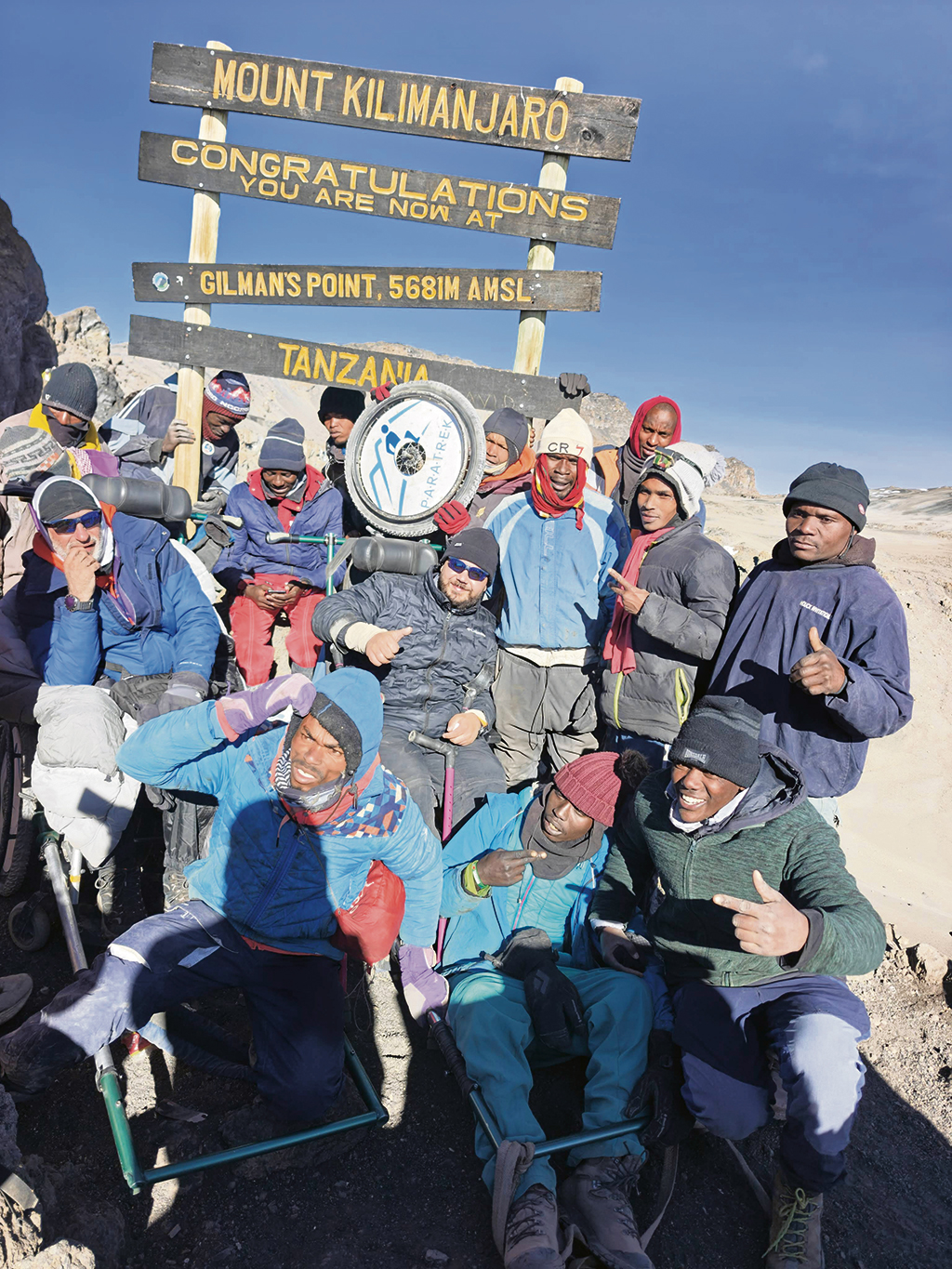
I quickly learned that no one climbs the mountain alone. Some sat in the trekkers, others walked alongside them offering friendship and guidance, and others offered physical support on the front and back of the trekkers. Each one was vital.
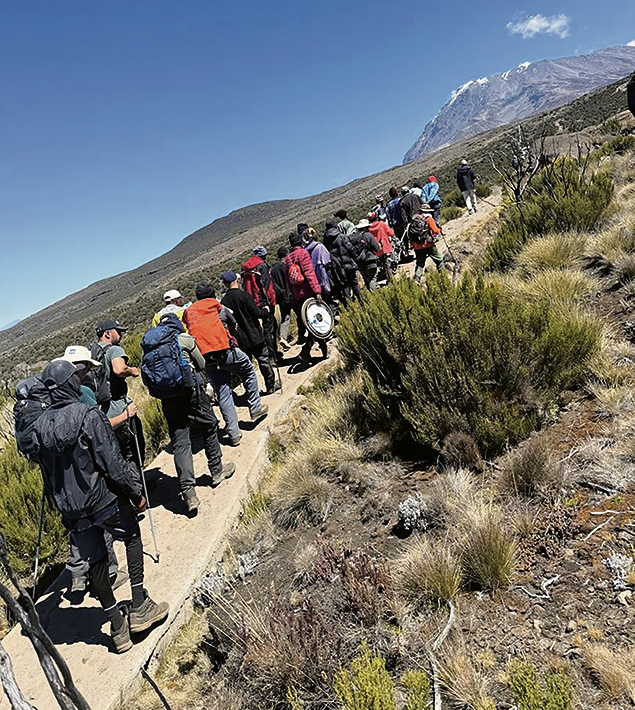
trek up Mount Kilimanjaro
(All photos courtesy Stefanie Diamond;
all except the ones she is in are by Ms. Diamond)
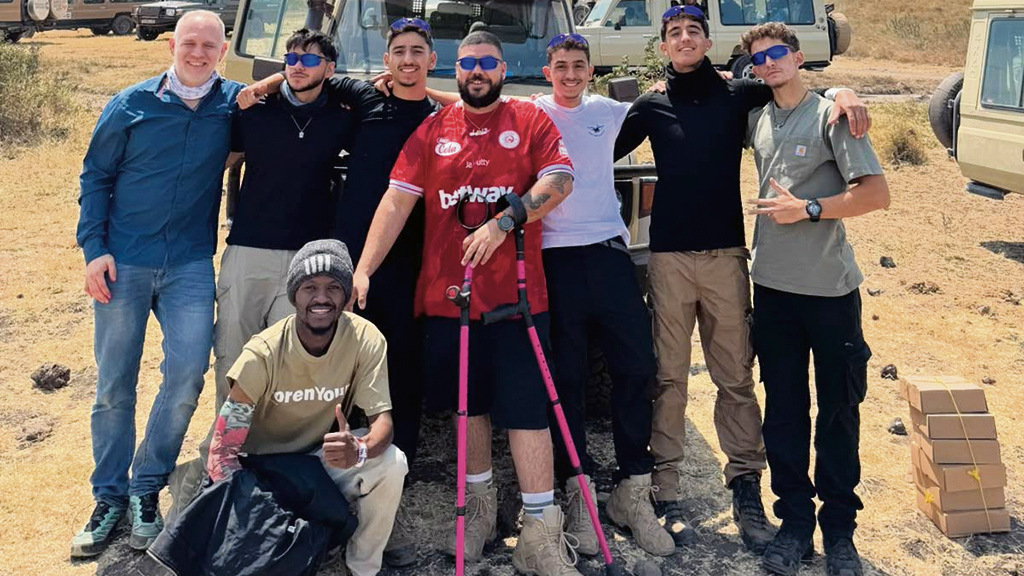
Though I didn’t climb more than the first kilometer with them, my job was to capture the teams bonding on the ground and exploring some of Tanzania together, to take photos of them as they started their climb, and then to capture their return a week later. Somewhere between those moments, my heart expanded and I learned some incredible lessons.
From the ground I learned a lot about the mountain. I learned that Kilimanjaro offered no concessions. At 19,341 feet, the mountain remained demanding and indifferent. The air did not get easier to breathe for a climber with a disability. Kilimanjaro did not become lower for those who are paralyzed. The terrain did not soften to accommodate the trekkers. The temperatures did not get warmer for those who were struggling, and the altitude sickness spared no one.
The mountain did not change. What changed was who had the opportunity to approach it. And as I stood at the base watching the team sing and dance together, I felt incredible pride in being part of their opportunity to try.
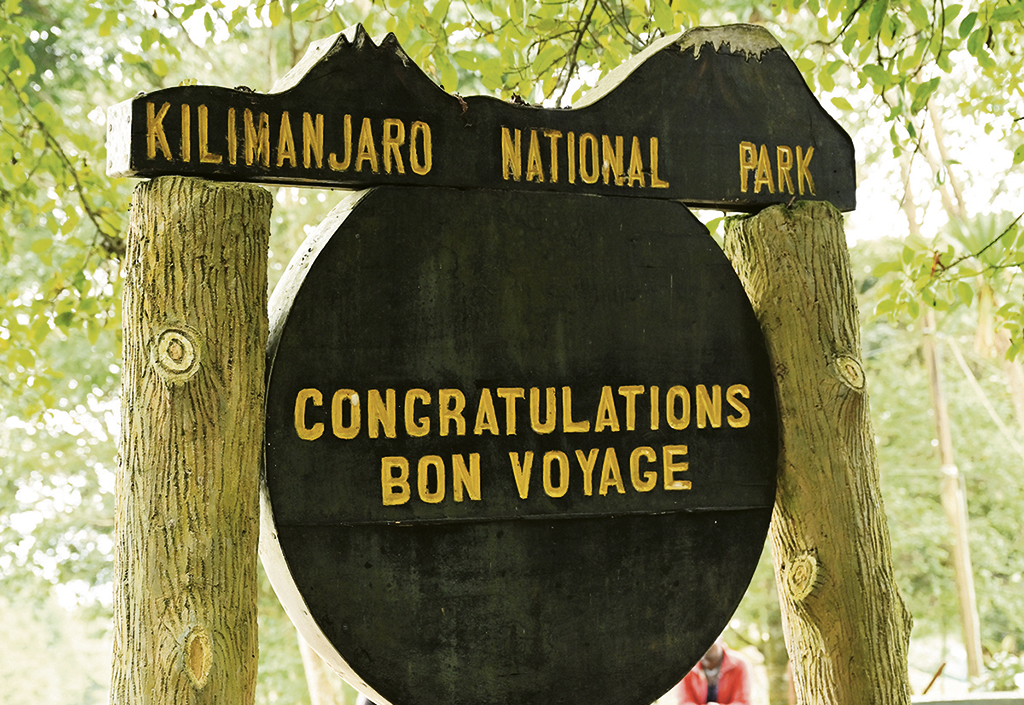
The climbers did not arrive with the same abilities, and they would not reach the same altitude — but that was never the point. What they shared was the right to discover what was possible. I went in with the expectation that a successful mission was that photo with the “Congratulations, you are now at Uhuru Peak” sign at the top, but I quickly learned that success is not a specific altitude, or base camp.
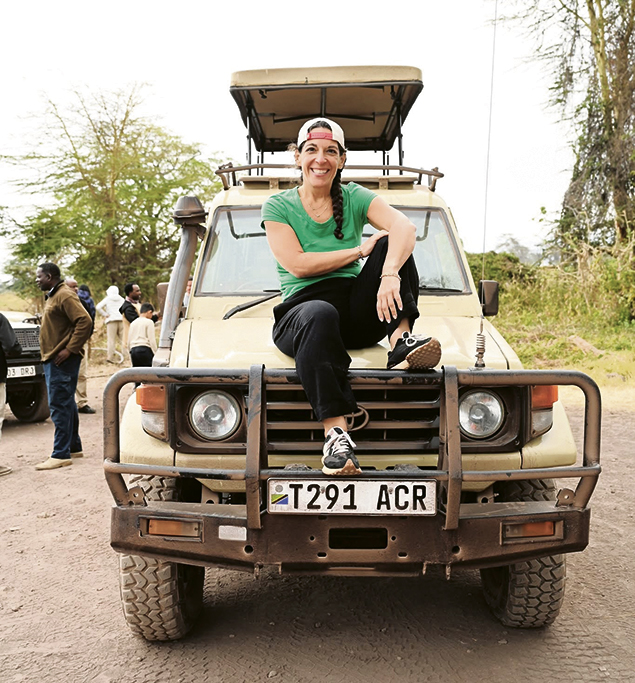
Perhaps success is having the opportunity to stand at the bottom and begin.
That distinction is powerful because our world so often does the opposite. We see a wheelchair, an injury, or a different way of moving, and we begin calculating limitations. Sometimes we decide what another person cannot do before they’ve been given the chance to try. This has been the greatest lesson to me after spending time with those who needed the assistance of Paratrek’s adaptive trekkers. These climbers did not prove that everyone can climb every mountain. They demonstrated something more important: No one should have their mountain chosen for them.
The terrain did not soften for someone carrying an injury. Inclusion did not make the mountain easier. Careful preparation, adaptive equipment, medical planning, staffing, and logistics simply made the opportunity to attempt it broader.
I went to Tanzania to photograph an expedition. I returned thinking about how we see one another. In taking long Jeep rides through Africa’s beautiful national parks and slower walks through towns in Tanzania, I got to know the climbers as individuals. They exposed trauma, heartbreak, and wounds I may not have seen. They shared the logistical challenges of being paralyzed, and the realities of living with disability, and in many cases I was surprised by the things they can do independently.
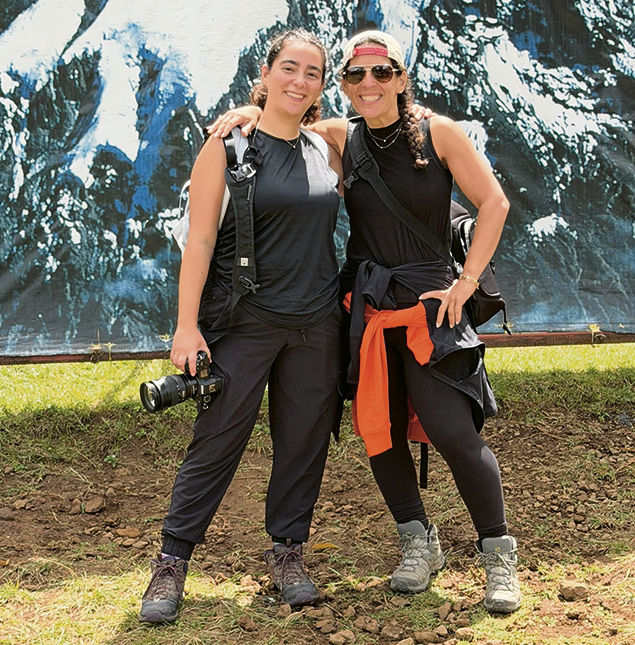
Since I’ve returned home, I’ve thought a lot about my role in the world and I’ve realized how many times I may have fallen short in helping those in similar bodies. I started thinking about the space we might not make for others, the people who may not have felt welcome not because we were unwelcoming, but because we were uncomfortable with discomfort. There are times when we looked away or didn’t extend a hand, not out of malice, but maybe because we made assumptions about others’ needs or abilities.
Just as no one climbs Kilimanjaro alone, we all move through this world together. As we leave the holidays and enter the new year in earnest, I hope to be able to step outside of my daled amot — the four cubits that make up your personal space — and look around at those traveling alongside me and make fewer assumptions about them.
I hope to approach each day through a lens of inclusion, and make new experiences without limitations on my own personal Kilimanjaro. And perhaps that is what allyship and inclusion look like at their best — not lowering the mountain, but refusing to tell someone else they do not belong there.
Stefanie Diamond of Teaneck is the mother of three and wife (of one); she is a photographer specializing in newborn, child, and family portraits, and has a soft spot for photographing African elephants. She is a member of both Shaare Tefillah and Beth Sholom congregations. This was her second trip to Tanzania; the first was featured in the Jewish Standard in 2019 and remains one of the highlights of her life.